
Home’s Life Expectancy
Your home’s life expectancy and when to replace the things in your home.
Life-expectancy charts can help with budgeting, but they do not predict when an individual component will fail. Installation, exposure, usage, materials and maintenance all matter. Age is one planning input; current condition, safety, repair history and manufacturer instructions also matter. A home inspection evaluates accessible conditions and cannot guarantee remaining service life.
Roof

A shingle roof being removed
Roof materials have different expected service lives. Leaks, flashing defects, storm damage and installation problems can require attention well before a nominal lifespan. Ask a qualified roofer for a condition assessment and repair or replacement options rather than relying on age alone.
Deck
Deck boards and the supporting structure are separate concerns. Sound-looking decking does not establish that connections, posts, stairs and guards are safe. Investigate movement, decay or loose components promptly.
Exterior Materials
Siding
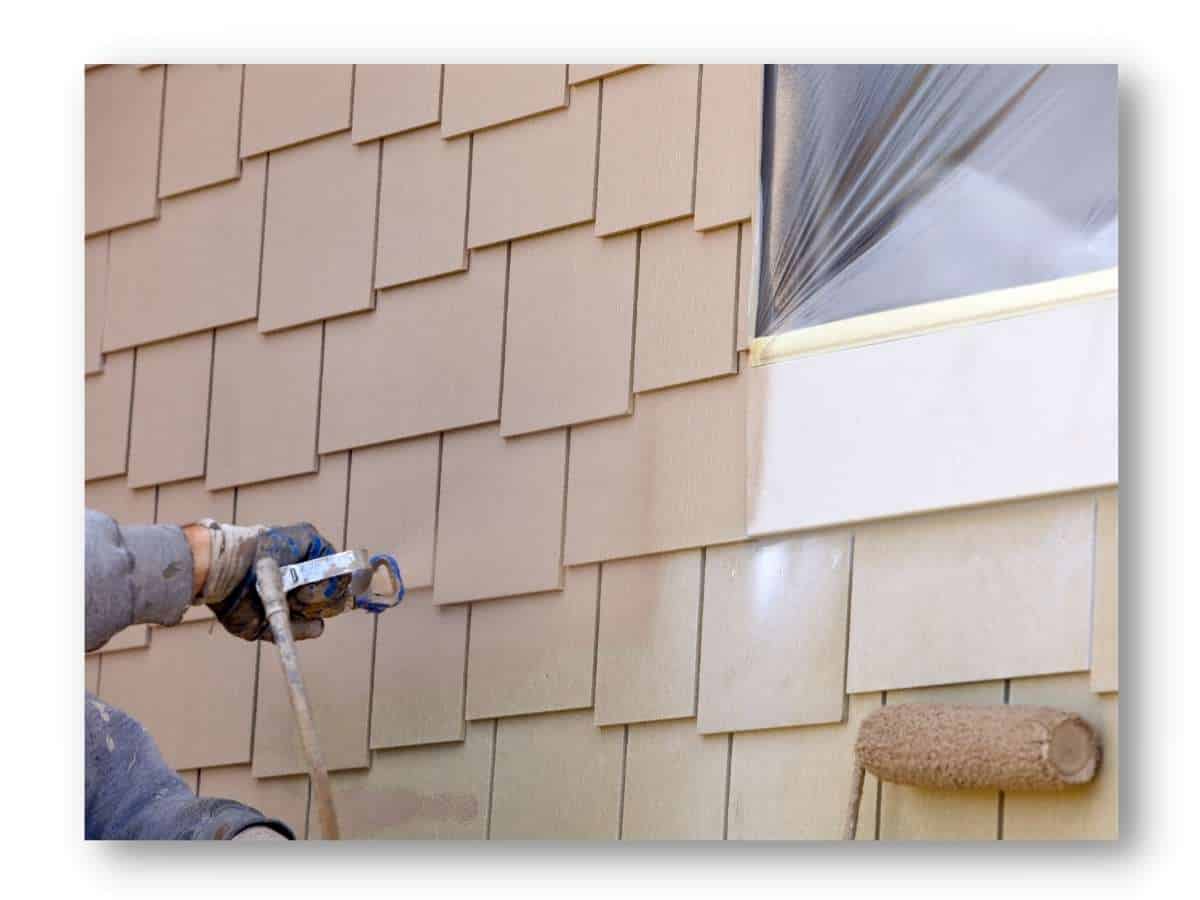
Fiber cement shake style siding being painted
Cladding and coatings need material-specific care. Follow the manufacturer’s maintenance instructions and address water entry, damaged joints and deteriorated finishes. No siding material is guaranteed to outlast its owner, and there is no universal repainting interval.
Foundations
Foundations, waterproofing and termite treatments are different systems. Do not apply one replacement interval to all three. New movement, water entry or pest evidence warrants appropriate professional evaluation.
Kitchen Items Life Expectancy
Cabinets

Cabinets may remain useful for many years, but moisture damage, loose mounting and worn hardware can require earlier repair. Cosmetic updating is different from correcting a functional problem.
Countertops
Service life depends on material, support and use. Follow product-specific cleaning and sealing guidance; not every surface needs the same treatment.
Dishwasher
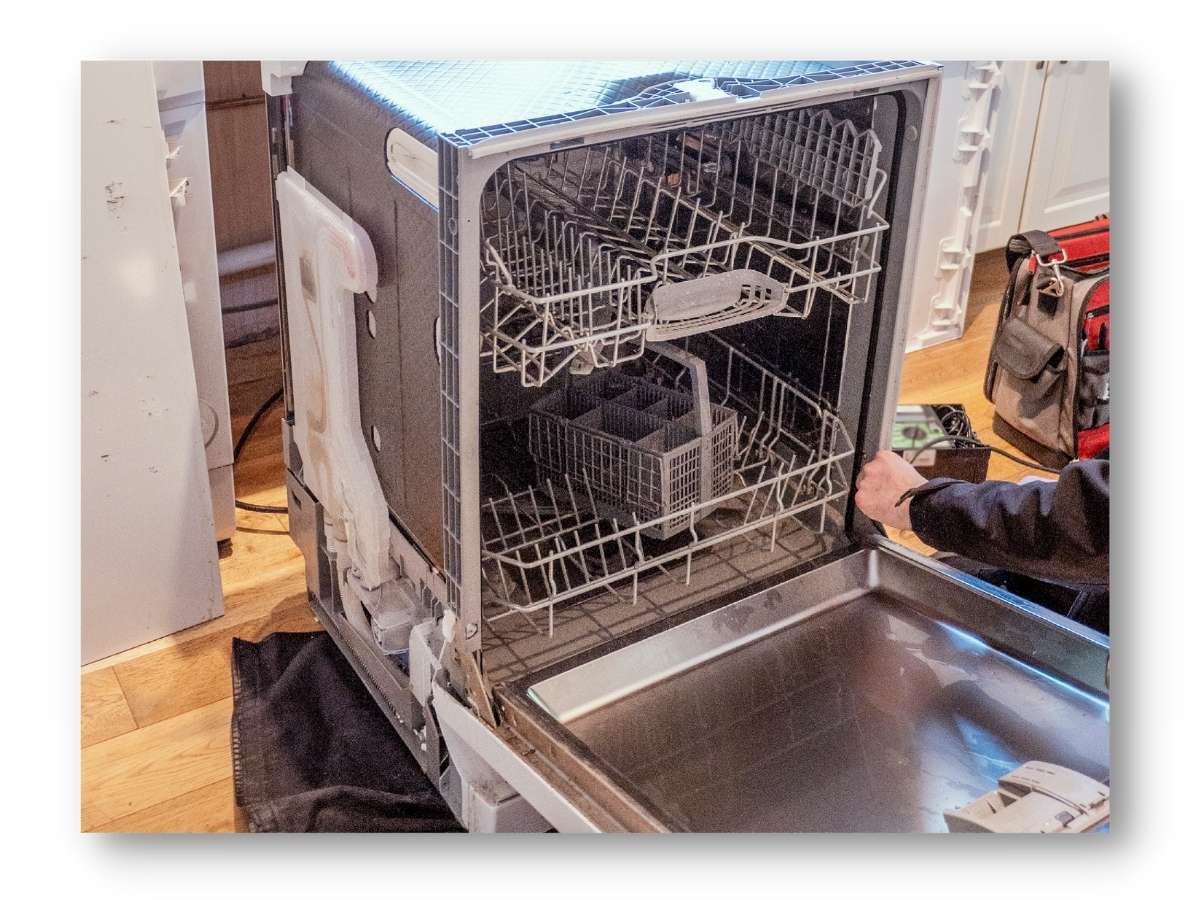
A new dishwasher being installed
Follow the model’s instructions for cleaning filters and maintaining the appliance. Leaks and poor operation deserve attention regardless of age. Compare an actual repair estimate with replacement and installation costs.
Garbage Disposal
Use the manufacturer’s troubleshooting instructions. Never put your hand into the disposal or try to free a jam while it can operate. If unsure, arrange professional service rather than following generic online tricks.
Refrigerator
Temperature performance, seals, maintenance and repair history are more useful than a promised expiration date. Have cooling problems assessed promptly.
Stovetop and Oven
Condition, correct installation and safe operation matter more than age alone. See our gas-stove guidance for ventilation and professional follow-up considerations.
Laundry Room Replacements
Washing Machine

Washing machines need to be cleaned too
There is no universal dollar threshold at which replacement becomes the best choice. Consider the diagnosed fault, warranty, repair history, parts availability and total installed replacement cost.
Clothes Dryer
Follow the manufacturer’s lint-filter and exhaust-maintenance instructions. Longer drying times or overheating need investigation; a warranty period is not a prediction of service life.
Plumbing Life Expectancy
Toilet
Leaks, loose mounting, cracks and recurring clogs need diagnosis. Some faults involve replaceable components; others may require replacing the fixture or investigating the drain.
Water Heater

Follow the water heater manufacturer’s maintenance instructions
Follow the exact model’s instructions for inspection, flushing and any anode maintenance. Do not override those instructions with a generic annual-draining rule. Have leaks, unusual noise or discolored water investigated by a qualified plumber; these signs do not by themselves identify the cause or remaining life.
Faucets and Sinks
Repairable valves and seals may wear out before the fixture itself. Address leaks and damaged connections promptly and follow product-specific care instructions.
Flooring
Material, moisture exposure, installation and wear affect flooring life. Subtracting the home’s age from a chart cannot tell you how many years a floor has left. Investigate movement, soft areas or moisture damage.
Whole Home Replacements
Doors
Weather exposure, flashing, seals and hardware affect door performance. Repair water entry, damaged frames and faulty latches rather than waiting for a nominal replacement age.
HVAC System

Get HVAC check ups before every heating and cooling season.
Plan for replacement using equipment condition, service history and a qualified contractor’s assessment. Efficiency, repair cost and comfort may influence the decision, but an age range cannot guarantee operation or savings.
Masonry
Masonry can be long-lived, but cracking, displacement, deteriorated mortar and water entry require evaluation. Longevity does not eliminate maintenance.
Wiring/Electrical
Wiring age alone does not establish safety. Material, installation, modifications, heat and moisture exposure matter. Have damaged or questionable wiring evaluated by a licensed electrician.
GFCI Receptacles

Test GFCI receptacles according to their instructions; Leviton recommends monthly testing
Follow the device’s testing instructions. Leviton recommends manual testing monthly, including its self-test devices. If a GFCI fails the prescribed test or will not reset, have a qualified electrician investigate. Do not wait for a fixed 15–20-year replacement date.
Smoke and Carbon Monoxide Detector Alarms
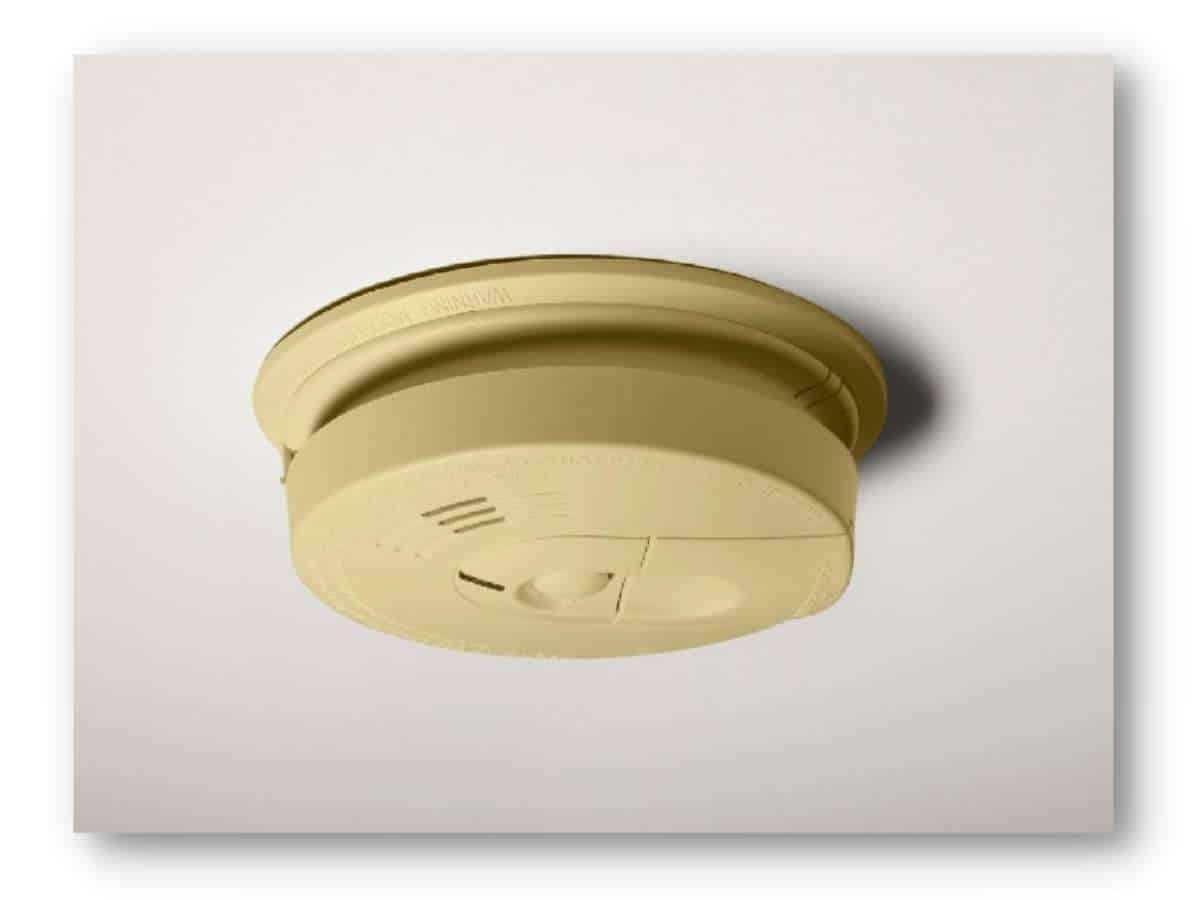
Check alarm labels for age and replacement instructions.
USFA recommends testing smoke alarms monthly and replacing them at 10 years. Follow the manufacturer’s earlier replacement or fault instructions when applicable. CO and combination alarms have model-specific service lives: check their labels and instructions. Yellowing is not a reliable replacement schedule. See our smoke-alarm article.
Paint
Coating life varies with product, preparation, exposure and moisture. Inspect the finish and address peeling or underlying water problems rather than assuming a universal 15-year interval.
Windows
Assess operation, seals, glazing and surrounding water management. Repair or replacement decisions depend on the specific fault and product, not simply the frame material or home age.
Use estimates to build a maintenance plan
Keep installation dates, warranties and service records. Budget for larger replacements, but address observed defects promptly. For broad planning ranges, consult InterNACHI’s estimated life-expectancy chart; those estimates are not warranties or inspection findings for your home.
Safety references: USFA smoke-alarm guidance and Leviton GFCI testing guidance.
Leave a Reply
Want to join the discussion?Feel free to contribute!