
Dead Valleys on your Roof
“Dead valleys”, sound ominous, don’t they?
A complex roof intersection can concentrate runoff and make drainage more difficult. The name alone does not establish a defect, but visible ponding, debris, damaged roofing or flashing, and evidence of leakage warrant attention. Inspection findings depend on the conditions observed and the areas that can be evaluated.
What is a dead valley?
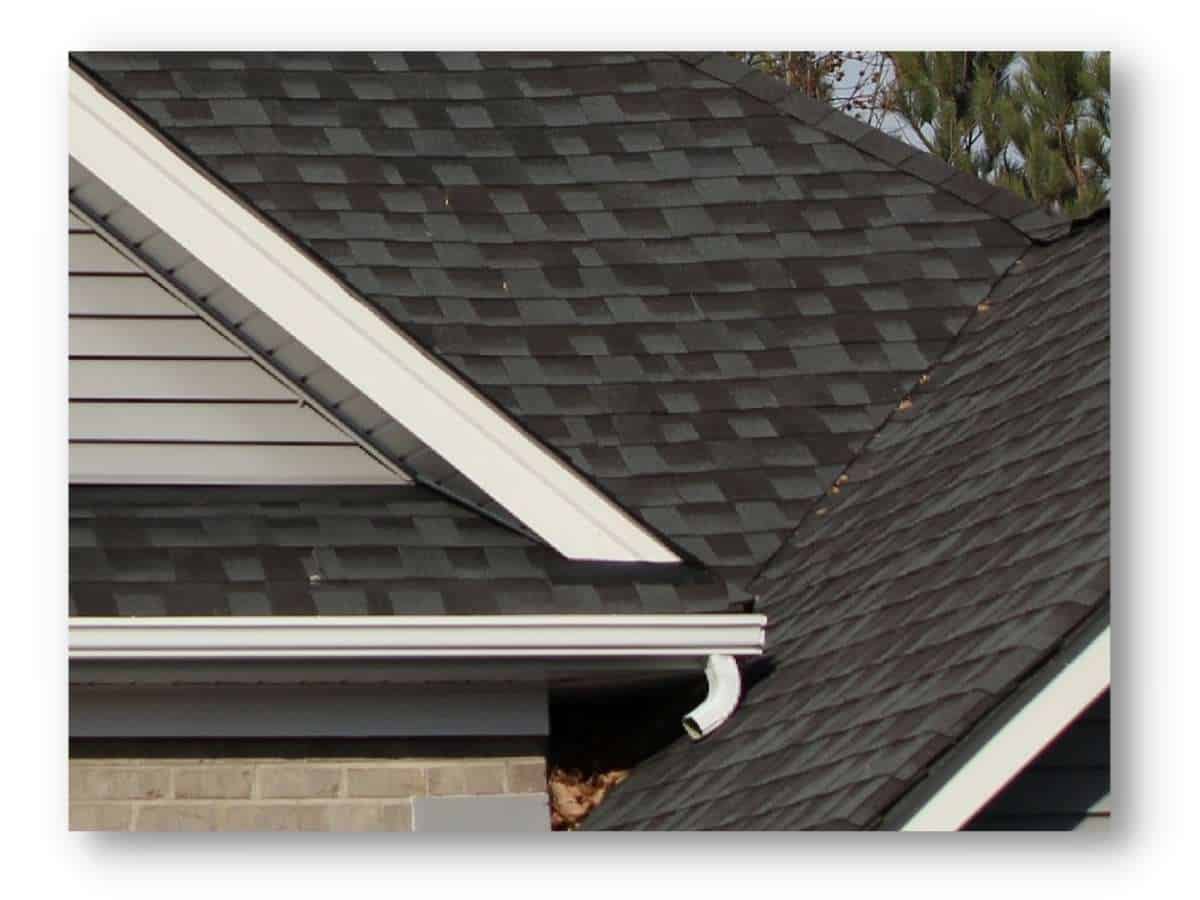
Dead valleys are where multiple roof slopes converge
A roof valley channels water where roof slopes meet. The term “dead valley” is commonly used for a constrained or low-slope intersection where drainage is difficult, sometimes involving a wall. Roof intersections are not all dead valleys; the concern is whether water can drain effectively without collecting or entering the building.
The Problem

Tree debris collecting in a roof valley
- Debris Accumulation: The most obvious issue with a dead valley is the collection of debris. Trees shed their leaves, twigs, pollen husks, nuts, acorns, amongst other things. In a perfect world, the rain will wash the debris off the roof. However, this area will create a bottleneck that traps the debris. This trapped debris holds water against the covering, gradually deteriorating the shingles and shortening the roof’s useful life.
- Construction details: Roof covering, underlayment and flashing must work together at intersections in both new and older homes. An inspection can identify visible concerns, but cannot confirm concealed installation details or guarantee that a roof will not leak. A qualified roofer should evaluate questionable drainage or flashing.
- Erosion: High volumes of water rushing down from dead valleys can cause erosion. This can lead to damage to landscaping, splash-back on less durable siding, and even affect windows and doors if not properly managed.
- Water near the foundation: Concentrated runoff can saturate soil and contribute to moisture problems. The effect depends on site grading, drainage, soils and foundation conditions; roof runoff alone does not establish structural damage.
What can I do?

Wide channels to account for high volumes of water from a dead valley
A qualified roofing contractor can evaluate whether maintenance, drainage improvements or changes to the roof details are needed. Homeowners can:
- Arrange safe maintenance to keep debris from building up. Use a qualified professional for roof access and repairs; do not climb onto the roof to investigate a suspected drainage problem.
- Ensure proper water drainage away from the foundation using gutters, downspouts, diverter heads, and other drainage systems.
- Direct downspout discharge to a suitable location that drains away from the house. DOE/PNNL guidance describes surface discharge at least five feet from the foundation onto sloping grade, or an appropriate alternative drainage system. Distance alone does not ensure drainage; site conditions and local requirements matter.
When it comes to a dead valley on your roof, vigilance is key.
If you are in need a professional home inspector in Fuquay Varina or the surrounding Raleigh, NC market, contact Realm Inspections for the best in home inspection services! But I already own my home. Perfect! We are big advocates of proactive homeownership. Get in front of any potential hardships and have us perform a Home Maintenance Inspection on your home. Schedule today!
Further reading: DOE/PNNL guidance on gutters and downspouts and DOE guidance on roof water barriers and flashing.
Leave a Reply
Want to join the discussion?Feel free to contribute!