Septic Systems: What You Need to Know
Do you have a septic system at your home? If so, you might be wondering about how to keep it in good working order. In this article, we will discuss septic system types and maintenance, along with how to avoid costly replacements and repair costs.
Septic System Designs Vary
Examples of system arrangements include:
- Gravity systems,
- Pressure systems, and
- Mound systems.

Maintaining your system
Arrange maintenance with a qualified septic service professional. Keep people and pets away from suspected surfacing sewage and seek prompt professional help. Do not open or enter a septic tank yourself.
Do’s
- Use a system-specific schedule. EPA recommends inspection at least every three years for the average household system and typical pumping every three to five years. Systems with mechanical components generally need inspection annually. Household use, tank size and system requirements can change the schedule.

- Confirm filter maintenance. Ask the service professional to identify the filter and its required care interval; do not follow a universal six-month or tank-opening routine.
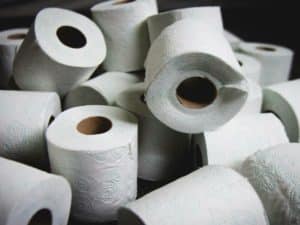
- Use the right toilet paper. In the realm of ultimate life decisions, few put much thought into their preferred TP. Check out this video from Drain Help showcasing the best TP for your comfort and septic.

Don’ts
Another important aspect of septic system maintenance is to avoid the following.
- Flushing non-biodegradable items:
- Flushable wipes. Sure they say “flushable”… because, well, you can certainly flush them down the toilet. But after that, they just sit in your tank and never break down. It’s pure marketing hype.
- Feminine products. Ladies, we know it’s gross, but do not put these down your toilet. My wife has a specific wastebasket with a lid for these.
- Flushable wipes. Sure they say “flushable”… because, well, you can certainly flush them down the toilet. But after that, they just sit in your tank and never break down. It’s pure marketing hype.
- Dumping cooking grease. Have you heard of “fatbergs“? Cooking grease doesn’t just go away. It lines and clogs the inner walls of your drain pipes and also disrupts the biology in your septic tank.
- Poisoning the biome. The heart of the septic system is the anaerobic or aerobic biome (depending on the system). The microbes within are responsible for breaking down the waste. Avoid dumping:
- Paint
- Harsh chemicals (bleach, ammonia, etc.)
- Septic Additives. A properly maintained system has no need for off-the-shelf additives or treatments. Most times these products do more harm than good.
- Overloading the system. Conserving water can also help reduce the amount of wastewater your system has to process. Taking a 45-minute shower and running multiple back-to-back loads of laundry in a day should be avoided.


Repairs and potential replacement costs
Ask a qualified provider for an estimate based on the actual system and findings. Compare the proposed work and follow-up, rather than relying on old generic cost ranges. Keep service records. See EPA’s septic maintenance guidance.
Get your system inspected!
Before booking, confirm the inspection scope, provider and system access requirements. A general home inspection does not automatically include a complete septic evaluation or pumping. Contact Realm to discuss the services needed for your property.
